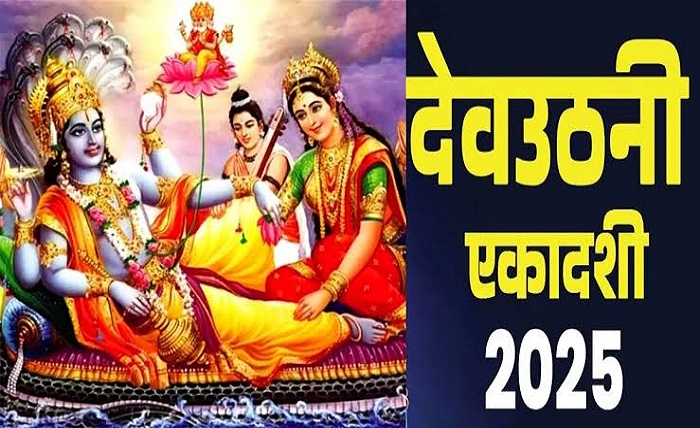
Gyaras kab hai is a common query among devotees seeking to observe the sacred Ekadashi fast dedicated to Lord Vishnu. Gyaras kab hai holds deep spiritual significance as it marks the eleventh lunar day ideal for fasting and prayer. Many people search gyaras kab hai regularly to align their routines with Hindu traditions.
Gyaras Kab Hai: समझें एकादशी का मूल अर्थ और इतिहास
Gyaras kab hai refers to the auspicious 11th day (Ekadashi) in both Shukla and Krishna Paksha of the Hindu lunar month. Gyaras kab hai originates from ancient Puranic stories where Lord Vishnu created a goddess named Ekadashi to defeat the demon Mura. Gyaras kab hai thus symbolizes victory over evil and the path to moksha. Devotees believe that observing gyaras kab hai purifies the body and mind by controlling the ten senses plus the mind.
In Hindu scriptures, gyaras kab hai is mentioned extensively as a day when Vishnu rests or performs cosmic duties. Gyaras kab hai encourages complete or partial fasting, leading to spiritual growth. Families across India eagerly await gyaras kab hai dates to plan pujas and charity. The historical roots of gyaras kab hai trace back to the Padma Purana and other texts that glorify its observance for liberation from sins.
Gyaras kab hai varies each month due to the lunar calendar, making accurate panchang consultation essential. Gyaras kab hai in 2026 offers numerous opportunities for devotees to deepen their bhakti. Understanding when gyaras kab hai falls helps in maintaining consistent spiritual practice throughout the year.
Gyaras Kab Hai 2026: प्रमुख तिथियां और कैलेंडर
Gyaras kab hai in July 2026 includes Yogini Ekadashi on July 10 (Friday) and Devshayani Ekadashi around July 25. Gyaras kab hai timings depend on location, with tithi beginning and ending as per sunrise calculations. Devotees should note that gyaras kab hai for Yogini Ekadashi starts early morning on July 10.
Gyaras kab hai for other months in 2026 follows the standard Vaishnava calendar. For instance, Shattila Ekadashi (gyaras kab hai) falls on January 14. Gyaras kab hai continues with Jaya Ekadashi in late January, Vijaya in February, and so on. Consulting reliable panchangs ensures you never miss gyaras kab hai.
Gyaras kab hai dates may slightly differ between Amanta and Purnimanta calendars used in various regions. Gyaras kab hai observance is flexible for working professionals who opt for partial fasts. Planning ahead for gyaras kab hai allows devotees to prepare satvik meals and gather puja items in advance.
Gyaras Kab Hai व्रत की सही विधि और नियम
Gyaras kab hai vrat begins from sunrise on the Ekadashi day and ideally ends on Dwadashi after sunrise. Gyaras kab hai requires avoiding grains, pulses, and certain vegetables while permitting fruits, milk, and nuts for partial fasts. Many follow strict nirjala (waterless) gyaras kab hai for maximum benefits.
Gyaras kab hai rituals include morning bath, Vishnu puja with tulsi leaves, and chanting mantras like “Om Namo Bhagavate Vasudevaya.” Gyaras kab hai stories (katha) should be recited in the evening to invoke divine blessings. Breaking gyaras kab hai (parana) must be done at the prescribed muhurat to complete the vow properly.
Gyaras kab hai is not just about food abstinence but also mental discipline. Gyaras kab hai encourages avoiding negative speech, anger, and material distractions. Women, men, and even children can participate in gyaras kab hai according to their health and age, making it an inclusive spiritual practice.
Gyaras Kab Hai का आध्यात्मिक और स्वास्थ्य लाभ
Gyaras kab hai fasting detoxifies the body by giving the digestive system rest, as explained in yogic traditions. Gyaras kab hai aligns with the body’s natural cycles every 40-48 days, promoting better metabolism and mental clarity.
Gyaras kab hai is believed to wash away sins accumulated over lifetimes when observed with devotion. Gyaras kab hai grants moksha, prosperity, and protection from ailments according to Puranas. Regular gyaras kab hai practice strengthens willpower and fosters a sattvic lifestyle.
Gyaras kab hai also supports family harmony as collective fasting and prayer bring loved ones together. Gyaras kab hai benefits extend to career and relationships by reducing stress and enhancing focus. Scientific perspectives note that periodic fasting like gyaras kab hai may improve insulin sensitivity and longevity.
Gyaras Kab Hai से जुड़ी लोकप्रिय कथाएं और पौराणिक महत्व
Gyaras kab hai legend of Ekadashi defeating Mura highlights divine feminine power and Vishnu’s grace. Gyaras kab hai stories vary by month, such as Devshayani Ekadashi marking Vishnu’s cosmic sleep. Listening to gyaras kab hai katha on the day amplifies punya.
Gyaras kab hai is associated with various avatars and deities across different pakshas. Gyaras kab hai observance during Chaturmas has heightened importance. Ancient sages recommended gyaras kab hai to kings and commoners alike for righteous living.
Gyaras kab hai narratives inspire devotees to emulate virtues like compassion and truthfulness. Gyaras kab hai kathas are preserved in regional languages, making the tradition accessible across India and the diaspora.
Gyaras Kab Hai की तैयारी: क्या खाएं, क्या न खाएं
Gyaras kab hai menu typically includes sabudana khichdi, fruits, coconut water, and milk-based sweets without grains. Gyaras kab hai strict observers consume only water or nothing. Planning recipes ahead ensures a smooth gyaras kab hai experience.
Gyaras kab hai prohibits rice, wheat, lentils, and onion-garlic. Gyaras kab hai allows fasting-friendly alternatives like buckwheat (kuttu) in some traditions. Hydration and light activity support comfort during gyaras kab hai.
Gyaras kab hai preparation also involves cleaning the home altar and buying fresh flowers and tulsi. Community events often revolve around gyaras kab hai, promoting social and spiritual bonding.
Gyaras Kab Hai 2026 में विशेष एकादशियां और त्योहार संयोग
Gyaras kab hai in 2026 coincides with important festivals like Devshayani Ekadashi, marking the start of Chaturmas. Gyaras kab hai on such days carries multiplied benefits. Yogini Ekadashi gyaras kab hai focuses on yogic powers and inner strength.
Gyaras kab hai during monsoon months requires extra care for health. Gyaras kab hai combined with other vratas enhances overall spiritual merit. Tracking gyaras kab hai throughout 2026 helps maintain yearly devotion.
Gyaras kab hai special pujas during these dates involve elaborate offerings to Lord Vishnu and Lakshmi. Gyaras kab hai celebrations in temples feature bhajans and discourses that enrich the experience.
Conclusion
Gyaras kab hai is more than a date on the calendar—it is a gateway to divine grace, health, and inner peace. Gyaras kab hai invites everyone to experience Vishnu’s blessings through sincere practice. By understanding gyaras kab hai timings, rituals, and stories, devotees can enrich their lives manifold. Embrace gyaras kab hai regularly for a fulfilling spiritual journey in 2026 and beyond. Gyaras kab hai truly transforms those who seek it with devotion.
FAQs
1. Gyaras kab hai July 2026 में कब है? Gyaras kab hai falls on July 10 for Yogini Ekadashi and around July 25 for Devshayani Ekadashi. Always confirm with local panchang.
2. Gyaras kab hai व्रत कैसे रखें? Gyaras kab hai involves fasting from grains, performing Vishnu puja, and breaking the fast on Dwadashi morning.
3. Gyaras kab hai का क्या महत्व है? Gyaras kab hai grants sin removal, health benefits, and spiritual liberation as per Hindu scriptures.
4. Partial fast in gyaras kab hai possible है? Yes, many observe partial gyaras kab hai with fruits and milk when full fasting is difficult.
5. Gyaras kab hai dates कैसे पता करें? Use reliable Hindu calendar apps or websites for accurate gyaras kab hai tithis adjusted to your city.