Introduction
The initiative har ghar bijli represents a major step toward ensuring universal electricity access for every household in the country. It focuses on eliminating energy poverty by connecting rural and urban homes to reliable power supply. The vision behind har ghar bijli is not just about lighting homes but also about improving education, healthcare, communication, and overall quality of life.
In many regions, lack of electricity has been a long-standing barrier to development. Through har ghar bijli, governments aim to bridge this gap by expanding infrastructure, building new power lines, and upgrading distribution networks. This initiative also supports economic growth by enabling small businesses and digital services in remote areas.
The success of har ghar bijli is closely linked with social transformation. When homes receive stable electricity, children can study at night, women can engage in income-generating activities, and villages can adopt modern technologies. This makes har ghar bijli a foundation for inclusive development.
Har Ghar Bijli Scheme Objectives and Vision
The main objective of har ghar bijli is to ensure that no household remains without electricity access. It is designed to achieve 100% electrification across all states and union territories. The vision of har ghar bijli goes beyond just connecting homes; it focuses on providing reliable and affordable electricity.
One of the key goals of har ghar bijli is to strengthen rural electrification. Many remote villages previously depended on kerosene lamps, which were unsafe and expensive. Through har ghar bijli, such dependency is being replaced with clean and safe electricity.
Another important objective of har ghar bijli is reducing inequality. By providing electricity to underserved communities, har ghar bijli helps bridge the gap between urban and rural living standards. It also encourages the use of modern appliances, digital education tools, and improved healthcare systems.
Har Ghar Bijli Implementation Process and Infrastructure Development
The implementation of har ghar bijli involves a structured process that includes identification of un-electrified households, infrastructure expansion, and connection distribution. Under har ghar bijli, electricity boards and government agencies work together to map areas lacking power supply.
A major part of har ghar bijli is infrastructure development. This includes building substations, installing transformers, and extending transmission lines. In rural areas, special attention is given to difficult terrains where connectivity is challenging. The success of har ghar bijli depends heavily on efficient infrastructure planning.
Additionally, har ghar bijli focuses on last-mile connectivity. Even if electricity reaches a village, each household must be individually connected. This ensures that the benefits of har ghar bijli reach every eligible family without discrimination or delay.
Har Ghar Bijli Benefits for Rural and Urban Communities
The benefits of har ghar bijli are wide-ranging and impactful for both rural and urban populations. In rural areas, har ghar bijli has transformed daily life by replacing traditional lighting sources with electricity-powered systems. This has improved safety, productivity, and education.
For urban communities, har ghar bijli ensures uninterrupted power supply, which supports industries, businesses, and digital infrastructure. Reliable electricity under har ghar bijli helps reduce power cuts and enhances economic stability.
Another major benefit of har ghar bijli is improved healthcare. Hospitals and clinics can operate essential equipment without interruption. Cold storage for medicines and vaccines becomes possible due to har ghar bijli, especially in remote regions.
Furthermore, har ghar bijli promotes environmental benefits by reducing dependency on fossil fuels like kerosene. This leads to lower carbon emissions and a cleaner environment.
Har Ghar Bijli Challenges and Obstacles in Rural Electrification
Despite its success, har ghar bijli faces several challenges. One of the major obstacles is difficult geography. Mountainous regions, forests, and remote islands make infrastructure expansion under har ghar bijli complex and expensive.
Another challenge for har ghar bijli is funding and maintenance. While initial electrification is achieved, maintaining consistent power supply requires continuous investment. In some regions, electricity theft and line losses also affect the efficiency of har ghar bijli.
Social awareness is another issue. In some areas, people are not fully aware of the benefits of har ghar bijli, which slows down adoption and proper usage. Additionally, seasonal weather conditions like floods and storms can damage infrastructure built under har ghar bijli.
Addressing these challenges requires strong policy support, technological innovation, and community participation.
Har Ghar Bijli Role in Economic Growth and Digital India
The impact of har ghar bijli on economic growth is significant. Electricity is a key driver of industrialization, and har ghar bijli ensures that small and large businesses can operate efficiently. Rural entrepreneurs benefit greatly from har ghar bijli, as it enables tools like irrigation pumps, sewing machines, and food processing units.
In the context of Digital India, har ghar bijli plays a crucial role in expanding internet connectivity and digital access. Without electricity, digital services cannot function. Thus, har ghar bijli supports online education, e-governance, and financial inclusion.
The availability of electricity through har ghar bijli also encourages new investments in rural areas. Companies are more likely to set up operations in regions where har ghar bijli ensures stable power supply. This creates job opportunities and reduces migration to cities.
Har Ghar Bijli Future Developments and Smart Energy Solutions
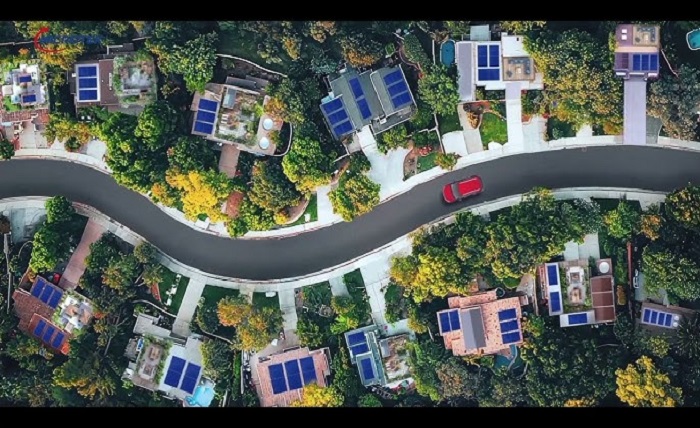
The future of har ghar bijli is closely linked with smart energy technologies. Governments are now focusing on integrating renewable energy sources like solar and wind into the har ghar bijli framework. This helps reduce dependence on traditional power plants.
Smart meters and digital monitoring systems are also being introduced under har ghar bijli. These technologies allow better tracking of electricity usage and help reduce wastage. In the coming years, har ghar bijli is expected to become more efficient and sustainable.
Battery storage systems and microgrids are also part of the future vision of har ghar bijli. These solutions ensure uninterrupted electricity even in remote areas where grid connectivity is weak.
Overall, the evolution of har ghar bijli is moving toward a cleaner, smarter, and more reliable energy ecosystem.
Conclusion
The har ghar bijli initiative has transformed the energy landscape by bringing electricity to millions of homes. It has improved education, healthcare, economic development, and overall living standards. The success of har ghar bijli demonstrates the importance of infrastructure development in national growth.
While challenges remain, the progress made under har ghar bijli shows strong potential for future improvements. With continued investment and technological advancement, har ghar bijli can achieve its goal of 100% reliable electrification.
In conclusion, har ghar bijli is not just an electrification program but a powerful tool for social and economic transformation.
FAQs
1. What is har ghar bijli?
har ghar bijli is a national initiative aimed at providing electricity to every household, especially in rural and underserved areas.
2. Why is har ghar bijli important?
har ghar bijli is important because it improves education, healthcare, and economic opportunities by ensuring access to electricity.
3. How does har ghar bijli help rural areas?
har ghar bijli helps rural areas by replacing traditional lighting with electricity and enabling modern tools and services.
4. What challenges does har ghar bijli face?
har ghar bijli faces challenges like difficult geography, infrastructure costs, and power distribution issues.
5. What is the future of har ghar bijli?
The future of har ghar bijli includes smart grids, renewable energy integration, and improved digital monitoring systems.